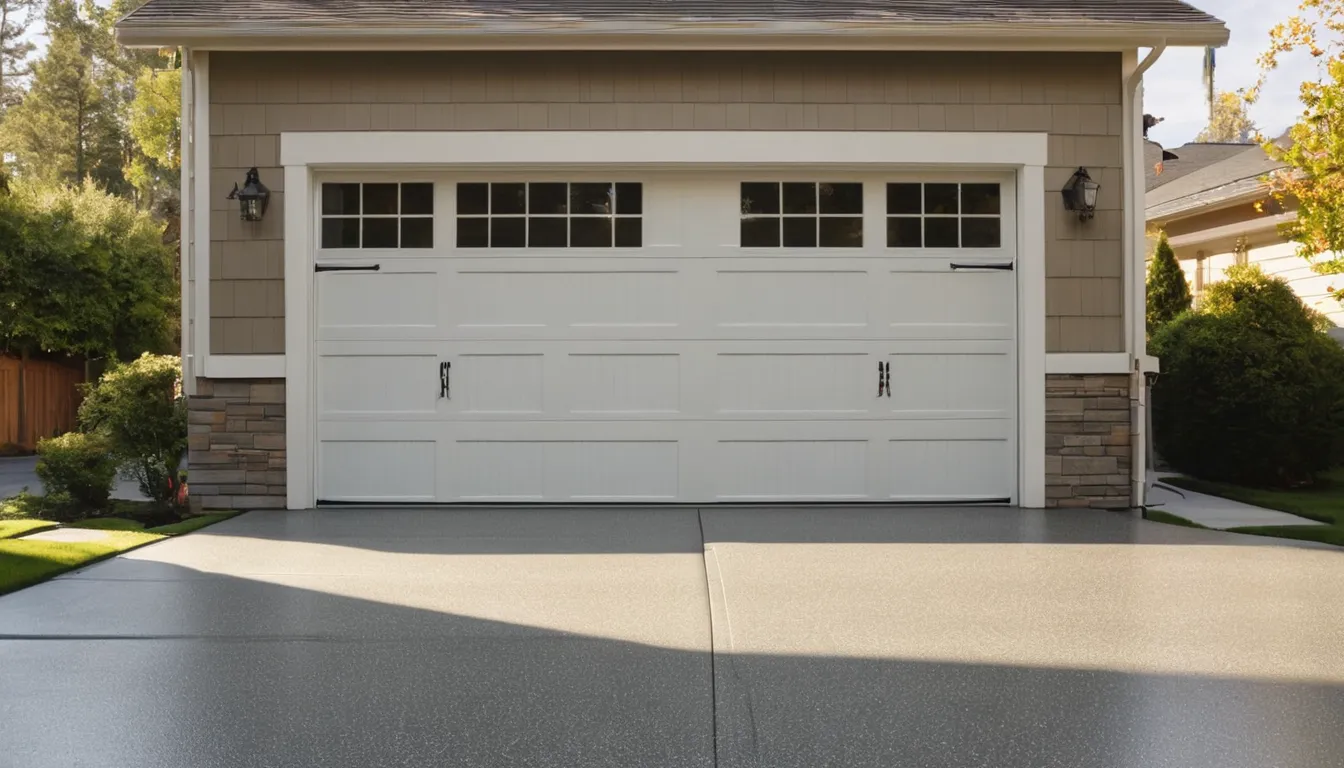
Polyaspartic is a tough, clear-to-colored floor coating known for curing quickly. For a busy household, that matters. Less time with the car parked in the driveway means less disruption to school runs, work mornings and weekend plans. It also handles sun, hot tires and spilled chemicals well.
This page explains how polyaspartic works, how it compares with epoxy, and what shapes the price. You will also see which prep jobs you can safely tackle yourself and where a pro should take over. Sixthhighlights Floor Coating then connects you with independent providers in our network, so you can request an estimate and compare written quotes in the Waconia area.
Need the Garage Back Fast?
This is the main reason people look at polyaspartic. The coating cures quickly, so a provider may finish a typical garage in one to two days. Many floors can take foot traffic soon after, and cars often return shortly after that. Exact timing depends on the product, the slab and the weather. Get the timeline in writing before work starts.
Get Started
What Polyaspartic Actually Is
It is a coating made from a special resin that reacts fast once mixed. Think of it as a close cousin of epoxy, but built to harden in hours instead of days. It is also UV stable, so it will not turn yellow in a sunny garage the way some epoxies can.
How It Differs From Epoxy
Epoxy is thick, strong and often easier on the budget. It takes longer to cure and can amber in sunlight. Polyaspartic goes on thinner, cures faster and resists scratches and fading well. Many people still choose epoxy garage floors for the base layer and polyaspartic for the top. Both have a place. Your slab and your schedule decide which fits.
Full Polyaspartic or Hybrid System?
A full system uses polyaspartic from primer to topcoat. It is quick but the product costs more. A hybrid uses an epoxy base with a polyaspartic topcoat. You get strength underneath and sun and scratch protection on top, often for less money. Ask each provider to name the exact products and how many coats go down.
What You Can Safely Do Yourself
Prep decides everything, and some of it is fair game for a handy homeowner. Clear the garage. Sweep, scrub and degrease oil spots. Check for sealer or old paint with a splash of water; if it beads, the slab is sealed. Patch tiny chips only if the provider says to. Doing the cleanup yourself can keep the quote simpler.
Where to Hand Off to a Pro
Stop before grinding, crack repair and mixing. Polyaspartic sets so fast that a small mistake is hard to fix. Pros use diamond grinders, moisture tests and exact mixing ratios. Skip hardware-store kits for this job. If the slab has deep cracks, heaving or damp spots, a provider should look at it first.
What Happens on Coating Day
The provider grinds the surface, vacuums the dust, fills cracks and lays down primer or a base coat. Flakes are broadcast by hand while the coat is wet. Then the clear topcoat goes on in one fast pass. Expect noise and fumes for a day, so plan to keep kids and pets away from the garage.
Weather and Timing
Cold winters with deep frost and hot, humid summers both affect how the coating behaves. Polyaspartic tolerates a wider temperature range than most coatings, but very high humidity or a damp slab can still cause trouble. Spring flooding and heavy storms can leave a slab wet. Ask the provider to test moisture before they start.
Get Started
Where Polyaspartic Works Well
It suits attached garages, workshops, breezeways, patios and basement floors that stay dry. Full basements with sump pumps need a moisture check first. It is a good fit for ranch homes and bungalows where the garage is used daily. Providers in our network may also handle other flooring jobs, such as hardwood flooring installation inside the house.
What Drives the Price
Square footage is the start. Then add slab condition, crack repair, grinding time, system type and flake coverage. Your region and the provider's schedule matter too. Get it in writing, with each line item listed. A quote that only says "garage floor" is hard to compare.
Colors, Flakes and Custom Floor Finishes
Pick a base color first, then a flake blend. Light grays and tans hide dust and brighten a dark garage. Full flake coverage hides slab flaws well. Metallic and quartz options are available as custom floor finishes. Ask to see a sample board in your own garage light before you decide.
Keeping It Clean
Sweep or dust mop weekly. Wipe spills when they happen. Scrub with a soft pad and mild cleaner. Skip harsh solvents and stiff wire brushes. Lift heavy items rather than dragging them. Use a mat under a hot tire if the manufacturer suggests it. Winter road salt rinses off easily when you hose it down.
Questions to Ask Before You Sign
- Which products and how many coats are you using?
- How will you test and handle moisture?
- How long before we can walk and park on it?
- What does the written warranty cover, and who backs it?
- What does the quote include for crack repair and grinding?
Plan around real life. Pick a week that works for your household, and ask the provider to confirm dates in writing.
Get Started
What's Included
Surface Grinding
Diamond grinding opens the concrete so the coating bonds well and lasts.
Crack and Chip Repair
Providers fill cracks and divots so the finished floor looks smooth and even.
Color and Flake
Choose a base color and flake blend to match your garage and your style.
Clear Topcoat
A UV-stable topcoat adds shine and protects against scuffs, sun and spills.
Typical Polyaspartic Floor Coating Costs
Prices vary by region, slab condition and system type. These are typical U.S. ranges only. Use them to spot a quote that looks too low or too high, then get a written quote.
| Item | Typical range | Notes |
|---|
| Two-car garage, full polyaspartic | $3,000 – $7,000 | Roughly 400–500 sq ft, varies by product |
| Hybrid epoxy and polyaspartic | $2,500 – $5,500 | Often lower material cost than full system |
| Price per square foot | $5 – $12 | Includes prep and labor in many quotes |
| Crack and joint repair | $200 – $800 | Depends on size and number of cracks |
| Moisture testing or vapor barrier | $100 – $600 | Needed on damp or basement slabs |
| Extra flake or metallic finish | $300 – $1,500 | Full coverage and custom finishes cost more |
Get Started
How It Works
Share Your Details
Tell us about your garage size, goals and timing through the estimate request form.
Get Matched Locally
Providers in our network review your request and reach out with questions or availability.
Compare Written Quotes
Line up products, coats, prep steps and timelines side by side before deciding.
Schedule the Work
Pick dates that suit your household and confirm them in writing.
Why Call Sixthhighlights Floor Coating
Independent Local Providers
We connect you with independent providers in our network who coat garage floors in your area.
Clear Pricing
We explain what drives the cost so quotes make sense.
No Obligation
Request an estimate and compare. You choose whether to hire anyone.
Household Friendly
Share your schedule so providers can plan around real life.
Other Services