How much do epoxy garage floors cost?
Typical U.S. ranges run from about $3 to $15 per square foot, depending on system, prep and finish. A two-car garage often lands in the low thousands. Always get a written quote for your exact slab.
Request your garage floor estimate
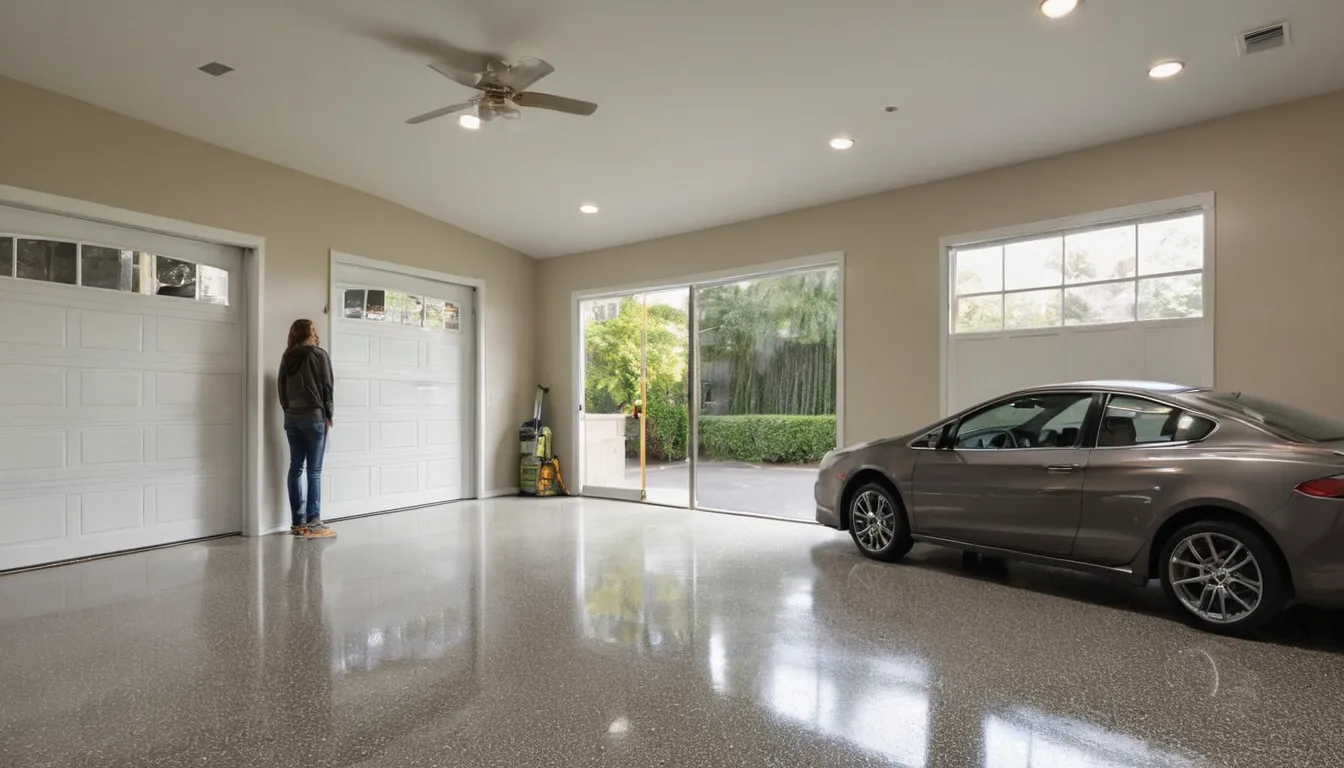
Bare garage concrete soaks up oil, salt and water. Over time it dusts, stains and cracks. Epoxy garage floors seal the surface with a hard, easy-to-clean layer that handles tires, tools and the odd spill. The finish can be a plain color, a flake blend, or one of many custom floor finishes.
Sixthhighlights Floor Coating is a referral service. We match your request with independent providers in our network, and they do the work. On this page you will find what you can handle yourself, where to hand off to a pro, and what drives the price. Every garage is different, so the details below will help you compare offers calmly. Ask for a written quote before anyone starts.
Oil stains, flaking paint, hairline cracks, a fine dust that follows your shoes inside. These are signs the slab has lost its protection. Epoxy garage floors are a common fix, but the order of steps matters.
Start with a walk-around. Sweep the floor. Note where it crumbles, where it pits and where water pools after rain. Snap a few photos. Providers in our network can use them to give a rough idea before any visit.
A coating is only as good as what it grips. Epoxy bonds to clean, rough, dry concrete. It peels from slick, oily or damp concrete. That is true for every brand on the shelf.
Most pros grind the surface with a diamond grinder to open the pores. A DIY acid etch kit is weaker and less even. Grinding also removes old paint and sealer, which is why shortcuts here show up as peeling later.
Cold winters, spring flooding and humid summers all push moisture through slabs. Try a simple test. Tape a one-foot square of clear plastic to bare concrete, seal every edge, and leave it for a day or two. Fog or dark patches underneath mean vapor is rising.
Tell the provider what you found. They may suggest a meter reading or a moisture-tolerant primer.
This work saves the provider time and gives you a cleaner quote conversation.
Stop before grinding, crack repair and anything involving moisture. Grinders are heavy and throw silica dust. Deep chips and heaved slabs need proper patching. Pros also know how cold or hot weather changes cure times.
Not sure which side of the line you are on? Request a callback to check provider availability and talk it through.
One color rolled over a primer. It is simple, clean and usually the lighter option on price.
Colored chips are broadcast into wet epoxy. They hide dirt, add grip and cover small flaws in the slab.
Swirled pigments give a show-room look. They need a smoother base and more labor, so expect a higher quote.
Day one is the heavy work. The provider grinds, vacuums, patches cracks and rolls on primer. Then comes the base coat, and flakes if you chose them.
Day two is usually scraping loose flakes and rolling the clear topcoat. Light foot traffic often comes after about a day. Cars typically wait several days. Cold slabs cure slowly, so follow the provider's timing, not a guess.
Standard epoxy can turn yellow in strong sun. Think of a garage with a south-facing door left open all summer. A clear topcoat helps resist that, and also helps with scuffs and hot tire marks.
Ask which topcoat is in the quote and why. It is a small line item that changes how the floor looks in year three.
Busy household? Choose a week with fewer comings and goings. Park cars on the street or at a friend's place if allowed. Think about how everyone will get in and out of the house when the garage door is off limits.
Ask for a day-by-day plan. A good one fits school runs and work shifts.
Sweep weekly. Mop with a mild cleaner. In winter, squeegee meltwater and road salt before it dries into a film. Wipe spills when you see them. Put mats under tire spots and felt pads under jack stands.
Avoid harsh solvents and dragging heavy tools across the surface.
Get it in writing. A clear quote lists scope, materials, prep and timing.
Some providers also handle hardwood flooring installation inside the house, or concrete coating for a basement or patio. Ask whether combining jobs fits your schedule.
Want to compare offers? Use the request form and describe your garage in a few lines.
Diamond grinding opens the concrete so the coating can grip and last.
Providers patch cracks, pits and worn edges before any primer goes down.
Choose a solid color, a flake blend, or custom floor finishes with metallic looks.
A topcoat helps resist scuffs, hot tires and sun yellowing over the years.
Price depends on square footage, slab condition, system type and topcoat. These are typical U.S. ranges and they vary by job and region. Treat them as a starting point, then get a written quote from each provider.
| Item | Typical range | Notes |
|---|---|---|
| Solid-color epoxy | $3 – $7 per sq ft | Simple look, fewer materials |
| Flake system | $5 – $10 per sq ft | Hides dirt, adds grip |
| Metallic or custom finish | $8 – $15 per sq ft | More labor, smoother base needed |
| Two-car garage, flake system | $2,500 – $5,000 | Often 400 to 600 sq ft |
| Heavy grinding and crack repair | $1 – $3 per sq ft | Rises with damage or old coatings |
| Moisture primer or upgraded topcoat | $1 – $4 per sq ft | Worth asking about in damp slabs |
Share size, floor condition and the look you want using the short request form.
Review scope, system, topcoat and timing from providers in our network.
Clear the floor, agree on a schedule, and plan around your household routine.
The provider installs the floor, then gives cure guidance before you park or load again.
We explain what moves the price so you can read a quote without surprises.
Your request goes to local providers in our network who do the actual work.
We point out which prep jobs you can handle and where to stop.
We push for quotes in writing so scope, materials and timing are clear.
Send a few details through the request form to ask for an estimate. Independent providers in our network review it, and there is no obligation to move forward.
No obligationTypical U.S. ranges run from about $3 to $15 per square foot, depending on system, prep and finish. A two-car garage often lands in the low thousands. Always get a written quote for your exact slab.
Most installs take one to two days of work. Light foot traffic is often fine after about a day, and cars usually wait several days. Cold or humid weather can slow curing, so follow the provider's advice.
Cleaning, degreasing and clearing the garage are safe DIY jobs. Grinding, crack repair and moisture problems are better left to a provider, since poor prep is the main reason epoxy peels.
Waconia Richfield Chanhassen New Hope Plymouth Minnetrista Bloomington Independence
Send a few details through the request form to ask for an estimate. Independent providers in our network review it, and there is no obligation to move forward.
No obligation